
Vascular Plants of Bangladesh
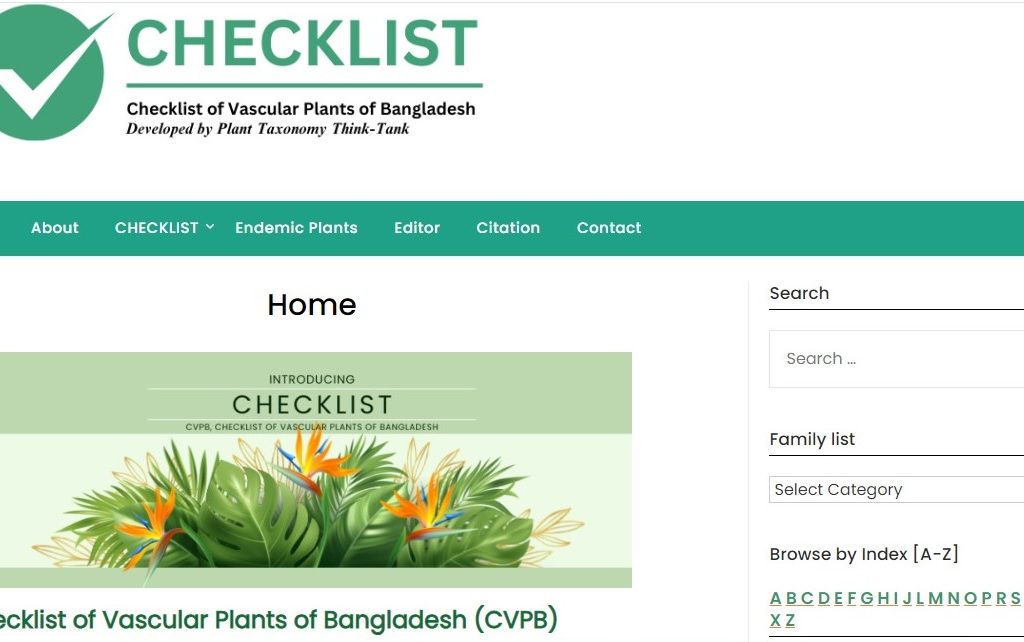
Checklist of Vascular Plants of Bangladesh (CVPB) includes 4,754 species, 1,709 genera, and 234 families.
In the fifty years after Bangladesh’s founding, several floristic studies have been conducted, but the country’s botanical discovery is still ongoing. Lastly, in addition to the 3,649 vascular taxa that were documented, The Asiatic Society’s recently published Encyclopedia of Flora and Fauna of Bangladesh (EFFB) provides a thorough assessment of the nation’s flora. Following the enormous contribution of the Asiatic Society, a large number of new taxa have been added. An important and pressing task in light of neighboring countries’ efforts to prudently manage and safeguard their own plant resources is the development of a catalogue of vascular plants of Bangladesh. Making a list of every recently released addition and those omitted by EFFB was the aim of the catalogue.
The CVPB has been created using a number of different methods. First, hundreds of taxonomic papers, including major floras, monographs, and the most current research that documented newly discovered plant species from Bangladesh, were combed through to compile a draft list of the vascular plants that may be found in the country. After then, the specimen numbers listed in the published article were thoroughly examined to finish the checklist. For the checklist, data was also analyzed from a well-known website linked to the plant’s legal scientific name, such as Plants of World Online (POWO).
This CVPB serves as Bangladesh’s first flora census, aimed at identifying the variety of vascular plants. Yet, there is a pressing need to continue working to make the checklist more comprehensive.
Nature Info

Nature Info: A Comprehensive Web-Based Database on the Natural World
In an era where information is the key to solving many of our planet’s most pressing problems, access to reliable, up-to-date data about the environment and natural resources is more important than ever. “Nature Info” is a web-based database designed to provide comprehensive information about the natural world, serving as an invaluable resource for researchers, educators, environmentalists, and the general public. By compiling and presenting a vast array of data on ecosystems, species, environmental trends, and conservation efforts, Nature Info empowers users with the knowledge they need to understand, protect, and sustainably manage the Earth’s resources.
What is Nature Info?
Nature Info is a digital platform that acts as a repository of information on a wide range of topics related to nature and the environment. It gathers data from various sources, including scientific research, government databases, environmental organizations, and citizen science projects. The platform offers detailed profiles of ecosystems, species, and natural resources, along with interactive tools that allow users to explore trends, compare data, and visualize changes over time.
Nature Info is designed to be user-friendly, providing both experts and novices with access to reliable and relevant information. The platform is regularly updated to reflect the latest research and developments in the field of environmental science. It includes a variety of resources such as articles, reports, multimedia content, maps, and datasets, making it a versatile tool for learning and decision-making.
Key Features of Nature Info
One of the standout features of Nature Info is its extensive species database, which offers detailed profiles of plants, animals, fungi, and microorganisms. Each species profile includes information about its habitat, distribution, behavior, conservation status, and role in the ecosystem. This feature is particularly valuable for researchers, students, and conservationists looking to understand biodiversity and the specific needs of various species.
Another significant aspect of Nature Info is its interactive mapping tool, which allows users to visualize geographical data related to ecosystems, climate patterns, and human impacts on the environment. This tool can help users see the distribution of species, monitor deforestation or desertification, and assess the effects of pollution and climate change on different regions. The maps are continuously updated with satellite imagery and field data, providing an accurate, real-time overview of global environmental conditions.
Nature Info also includes a section dedicated to environmental policies and conservation efforts worldwide. It provides summaries of key international agreements, national policies, and local conservation initiatives. Users can track the progress of different programs, understand their goals and impacts, and explore how they align with global sustainability targets.
The Importance of Nature Info for Education and Research
Nature Info serves as a critical resource for education by providing teachers and students with access to scientifically accurate and easily understandable content. It encourages learning about the environment by offering engaging, interactive tools and multimedia resources. For example, educators can use the platform’s maps and datasets in classroom lessons to illustrate concepts like biodiversity, climate change, and habitat loss. The ability to access up-to-date information helps students develop critical thinking skills and fosters a sense of curiosity and responsibility toward the natural world.
For researchers, Nature Info is a treasure trove of data that can support a wide range of studies. From understanding species interactions and ecosystem dynamics to analyzing environmental trends over time, the platform provides the foundational data needed for high-quality research. It also facilitates collaboration by allowing researchers to share their findings, datasets, and methodologies with a global audience, promoting the cross-pollination of ideas and fostering innovation in environmental science.
Supporting Conservation Efforts
Conservationists and environmental organizations can leverage Nature Info to better plan and implement their initiatives. The platform’s comprehensive data can help identify priority areas for conservation, monitor the effectiveness of ongoing efforts, and adapt strategies in response to new findings or changing conditions. By providing real-time data on factors such as deforestation rates, species population trends, and pollution levels, Nature Info helps organizations respond more effectively to environmental challenges.
Additionally, the platform’s emphasis on transparency and accessibility ensures that information is available to all, from policymakers to local communities. This democratization of data helps bridge the gap between scientific research and public understanding, enabling informed decision-making and fostering a collective effort toward environmental sustainability.
Conclusion
Nature Info is more than just a web-based database; it is a vital tool in the global effort to understand, protect, and sustain the natural world. By providing easy access to reliable, up-to-date information on a wide range of environmental topics, it empowers users from all walks of life to engage with nature and take meaningful action. Whether used for research, education, or conservation, Nature Info offers a wealth of resources that can help create a more informed and environmentally conscious society. As we face increasingly complex environmental challenges, platforms like Nature Info will play a crucial role in guiding us toward a sustainable future.
The E-Flora of Bangladesh: A Digital Repository of Botanical Wealth

Bangladesh, a lush, tropical country in South Asia, is home to a rich diversity of flora. This diverse botanical landscape is shaped by the country’s varied ecosystems, which include the world’s largest river delta, dense mangrove forests, subtropical evergreen and deciduous forests, and rolling hills. The flora of Bangladesh encompasses a wide range of plant species, including flowering plants, ferns, bryophytes, and fungi. To preserve and document this botanical wealth, the concept of an “E-Flora” – a digital repository of plant species – has emerged as a valuable tool for researchers, conservationists, and the general public.
What is E-Flora?
E-Flora is a digital database that documents and catalogs plant species in a specific geographic region, providing detailed information about their taxonomy, distribution, habitat, ecology, and conservation status. The E-Flora of Bangladesh aims to compile comprehensive data on the country’s flora, allowing for easy access and a deeper understanding of its botanical diversity. This digital platform leverages the power of information technology to create an accessible, user-friendly, and interactive online resource.
The Significance of E-Flora for Bangladesh
- Biodiversity Documentation: Bangladesh is home to an estimated 5,700 species of flowering plants, alongside numerous non-flowering species. This wealth of biodiversity is, however, under constant threat from habitat loss, deforestation, pollution, and climate change. An E-Flora provides a critical record of the country’s flora, ensuring that even species that are rare, endemic, or endangered are documented and can be studied.
- Conservation and Sustainable Management: The E-Flora of Bangladesh serves as an essential tool for conservation planning and policy-making. By providing detailed data on species distribution, population status, and ecological preferences, the E-Flora can help identify priority areas for conservation and assist in developing strategies for the sustainable management of natural resources.
- Educational and Research Tool: For botanists, ecologists, students, and educators, the E-Flora of Bangladesh is an invaluable resource for learning and research. It allows for the study of plant taxonomy, phenology, and ecology in one consolidated platform. Additionally, this digital repository can aid in identifying and classifying new or previously unrecorded plant species, contributing to the global understanding of biodiversity.
- Public Awareness and Involvement: One of the most significant advantages of an E-Flora is its accessibility. It can raise public awareness about the country’s plant diversity and the need for its preservation. This digital repository can engage the public through interactive tools such as plant identification guides, photographs, distribution maps, and ecological descriptions, promoting a greater appreciation and understanding of Bangladesh’s natural heritage.
Key Features of the E-Flora of Bangladesh
- Taxonomic Information: The E-Flora includes comprehensive taxonomic details, including scientific names, common names, synonyms, and descriptions of plant species. This information is crucial for accurate identification and classification.
- Photographic Documentation: High-quality photographs of plants in their natural habitats are an integral part of the E-Flora, helping users visually identify species. These images often highlight key identifying features such as leaves, flowers, fruits, and bark.
- Geographical Distribution and Habitat Data: The E-Flora provides detailed information on the geographical distribution of plant species across Bangladesh, including maps and data on habitat types. This feature helps track species presence, density, and potential shifts due to environmental changes.
- Ecological and Conservation Status: Information on the ecological roles of different species and their conservation status is included in the E-Flora. This data can assist in understanding species’ roles in local ecosystems and in prioritizing conservation efforts for threatened or endangered species.
- User Interactivity and Community Involvement: A well-designed E-Flora encourages community involvement by allowing users to contribute observations, photographs, and data. Such a participatory approach fosters a sense of ownership and responsibility toward conservation efforts.
Challenges in Developing the E-Flora of Bangladesh
While the E-Flora of Bangladesh presents numerous benefits, its development is not without challenges. One significant hurdle is the lack of comprehensive, up-to-date field data on many plant species. Additionally, the digitization process requires substantial financial investment, technological resources, and expertise in both botany and information technology. Language barriers, limited internet access in remote areas, and the need for continuous updates and maintenance are other challenges that need to be addressed.
Future Prospects
Despite these challenges, the prospects for the E-Flora of Bangladesh are promising. As technology continues to advance, the potential for integrating additional features like machine learning-based plant identification, augmented reality (AR) for virtual herbarium tours, and mobile applications for field data collection becomes more feasible. Moreover, collaborations between government agencies, academic institutions, non-governmental organizations, and international partners can provide the necessary support and resources to realize the full potential of this digital repository.
Conclusion
The E-Flora of Bangladesh represents a vital step towards preserving the country’s botanical diversity in the face of rapid environmental changes. By documenting and making accessible comprehensive information on the nation’s flora, it plays a crucial role in biodiversity conservation, scientific research, education, and public awareness. As Bangladesh continues to navigate the challenges of environmental degradation and climate change, the E-Flora will serve as an invaluable tool in safeguarding its rich natural heritage for future generations.
Medicinal Plants of Bangladesh

Bangladesh is rich with medicinal plants that have been used for centuries in traditional medicine to treat human disease. A comprehensive online database of the medicinal plants in Bangladesh will enable computational approaches towards natural product-based drug discovery. MPB 3.1, a manually curated database of 1208 species of medicinal plants in Bangladesh. This database provides the information respectively scientific name, family, growth habit, used plant parts, and medicinal uses of plants in Bangladesh Database. https://www.natureinfo.com.bd/mpb
Herbal Plants of Bangladesh
Herbal plants hold a significant place in the cultural and medicinal landscape of Bangladesh, where they have been traditionally used for centuries in folk medicine and Ayurvedic practices. The country’s diverse climate and fertile soil support the growth of numerous herbal species, including Tulsi (Holy Basil), Neem, Ashwagandha, Turmeric, Aloe Vera, and Kalmegh (Andrographis paniculata). These plants are valued for their medicinal properties, such as anti-inflammatory, antimicrobial, and antioxidant effects, and are commonly used to treat ailments ranging from common colds and digestive disorders to skin problems and chronic diseases. Herbal plants are also a source of natural remedies in rural communities, where access to conventional medicine can be limited. The widespread use of these plants highlights their importance in traditional healthcare, sustainable agriculture, and the potential for developing herbal-based pharmaceuticals in Bangladesh.
Bioprospecting on Biological Materials of Bangladesh
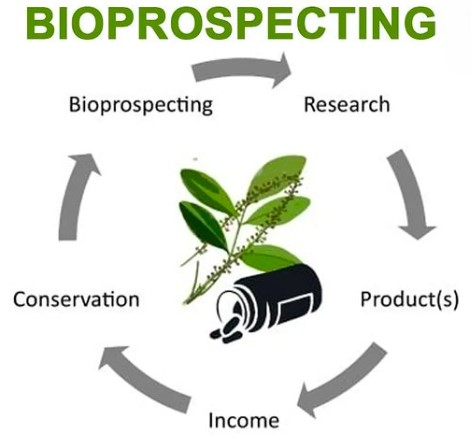
Bioprospecting, the exploration of biological materials for commercially valuable genetic and biochemical resources, holds immense potential in Bangladesh due to the country’s rich biodiversity. Home to diverse ecosystems, including the world’s largest mangrove forest, the Sundarbans, and various wetlands, forests, and hill tracts, Bangladesh offers a wealth of biological materials such as medicinal plants, fungi, microbes, and marine organisms. These biological resources are of particular interest for developing new pharmaceuticals, nutraceuticals, agrochemicals, and industrial enzymes. Bioprospecting in Bangladesh could lead to the discovery of novel compounds with therapeutic properties, contribute to sustainable economic development, and enhance the country’s role in global biodiversity markets. However, it also necessitates careful regulation to ensure ethical practices, equitable benefit-sharing with local communities, and the conservation of natural resources to prevent over-exploitation and protect ecological balance.
Ethnomedicinal Plants of Bangladesh: A Treasure Trove of Traditional Knowledge
Bangladesh, a country renowned for its rich biodiversity and cultural heritage, holds a wealth of knowledge in the use of ethnomedicinal plants. These plants have been integral to the traditional healthcare systems of its diverse communities for centuries. The practice of using plants for medicinal purposes is deeply rooted in the culture, passed down through generations, and sustained by the traditional healers known as “Kavirajes.” As the world increasingly turns towards natural remedies and holistic health approaches, the ethnomedicinal plants of Bangladesh are gaining recognition for their potential in modern medicine and sustainable healthcare practices.
The Rich Biodiversity of Ethnomedicinal Plants
Bangladesh’s unique geographical location, nestled between the Himalayan foothills and the Bay of Bengal, provides a wide range of ecosystems, from mangrove forests to wetlands and tropical rainforests. This diverse environment supports a vast array of plant species, many of which are endowed with medicinal properties. It is estimated that over 800 plant species in Bangladesh have ethnomedicinal uses. Among these, several are particularly well-known for their therapeutic properties.
Ethnobotanical Database of Bangladesh (EDB): Preserving Traditional Knowledge for Future Generations

Ethnobotanical Database of Bangladesh (EDB): Preserving Traditional Knowledge for Future Generations
Bangladesh, with its rich biodiversity and cultural heritage, is home to an incredible variety of plant species that have been used for centuries by indigenous communities for medicinal, culinary, and cultural purposes. Ethnobotany, the study of the relationship between people and plants, offers invaluable insights into traditional knowledge systems that are deeply embedded in the history and culture of a region. The creation of an ethnobotanical database of Bangladesh is a significant step toward documenting, preserving, and utilizing this traditional knowledge in a systematic and scientific manner.
Objectives of the Project
The primary goal of the project is to develop a comprehensive, accessible, and scientifically validated database of ethnobotanical resources in Bangladesh. Specific objectives include:
- Documentation of Traditional Knowledge: To record the traditional uses of plants by indigenous and rural communities for medicinal, nutritional, and cultural purposes.
- Conservation of Biodiversity: To contribute to the conservation of plant species that are at risk due to habitat loss and climate change.
- Promotion of Sustainable Use: To encourage the sustainable use of plant resources by integrating traditional knowledge with modern scientific research.
- Facilitation of Research: To provide a valuable resource for researchers, students, and policymakers interested in botany, pharmacology, and cultural studies.
Methodology
The project will employ a multidisciplinary approach, combining fieldwork, laboratory research, and database development. Key steps in the methodology include:
- Field Surveys: Researchers will visit various regions of Bangladesh, including the Chittagong Hill Tracts, Sundarbans, and northern plains, to interact with local communities and document their knowledge of plants.
- Interviews and Focus Groups: Ethnobotanical information will be collected through interviews with traditional healers, tribal elders, and local practitioners who possess knowledge about medicinal plants.
- Specimen Collection and Identification: Plant specimens will be collected and scientifically identified with the help of taxonomists to ensure accuracy.
- Database Development: A digital database will be developed to store information on plant species, their uses, preparation methods, and local names, along with high-resolution images and GIS mapping of their distribution.
- Validation: Traditional knowledge will be validated through phytochemical and pharmacological studies to identify potential bioactive compounds.
Significance of the Project
The ethnobotanical database of Bangladesh will have far-reaching implications for science, culture, and development:
- Cultural Preservation: It will serve as a repository of traditional knowledge that is in danger of being lost due to modernization and generational gaps.
- Health and Medicine: The database will support the discovery of new drugs by identifying medicinal plants with therapeutic potential, contributing to global pharmaceutical research.
- Biodiversity Conservation: By highlighting the importance of plant species to local communities, the project will promote efforts to conserve endangered flora.
- Economic Opportunities: The project may lead to the development of herbal products and nutraceuticals, providing income-generation opportunities for rural and indigenous communities.
- Educational Resource: The database will be an invaluable tool for students and researchers in the fields of botany, anthropology, and sustainable development.
Challenges and Solutions
Developing an ethnobotanical database comes with its share of challenges. One major challenge is the reluctance of some indigenous communities to share their knowledge, often due to fears of exploitation. To address this, the project will prioritize ethical practices, ensuring that the intellectual property rights of local communities are respected. Another challenge is the potential loss of biodiversity before documentation is complete. Rapid field surveys and collaborations with local organizations will help mitigate this risk.
Conclusion
The creation of an ethnobotanical database of Bangladesh is an essential step toward bridging traditional knowledge and modern science. It has the potential to unlock the secrets of nature while preserving the cultural identity and heritage of local communities. By documenting and conserving the rich plant-based knowledge of Bangladesh, this project will not only safeguard a critical resource for future generations but also contribute to sustainable development, scientific discovery, and biodiversity conservation. It is a testament to the importance of respecting and valuing the wisdom of indigenous communities in shaping a more equitable and sustainable future.